
Research
The Centre for Digital Health and Precision Medicine aims to leverage the extensive longitudinal patient database of the Apollo Hospitals Group, and datasets of the University of Leicester and other Consortium Partners to deliver improved population health with a global perspective through better disease prediction and prevention.
The Centre will conduct high-quality research in any areas of clinical medicine where advanced analytics leading to digital health or precision medicine products can improve health or its delivery. Our work is dedicated to making a tangible difference in patient lives and healthcare systems worldwide, leading to improved and earlier detection, diagnosis and management of multiple acute and long-term conditions in hospital and community settings.
Areas of focus
ADPKD
ALIVE-EWS
Ambient Listening in OR
Glioblastoma
Liver Fibrosis
Mammography-CVD
Metabolic Diseases
Mesothelioma (Oncology)
Orthopedics
Polygenic Risk Score
Uterine Cancer (Oncology)
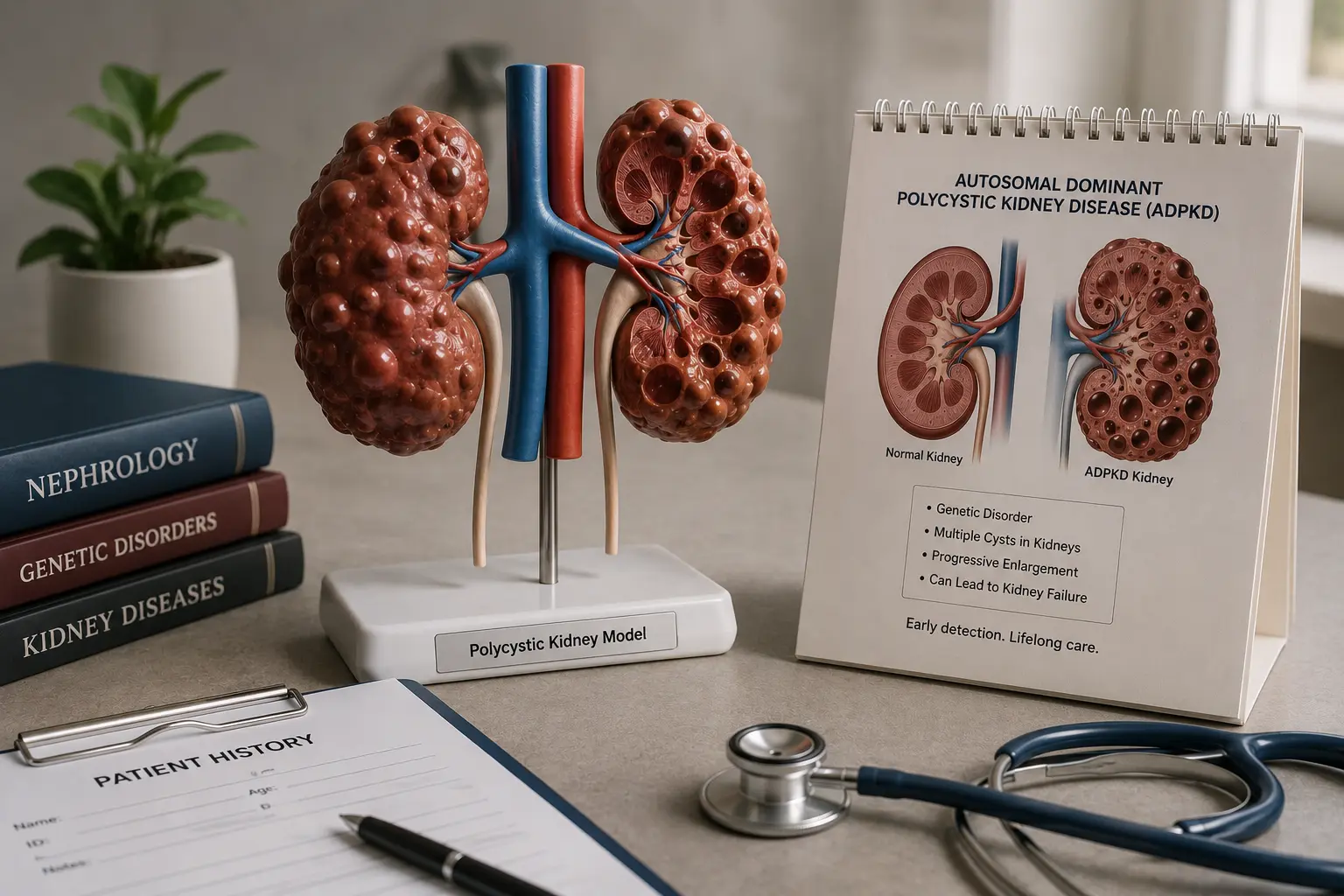
ADPKD
ADPKD Predictive Intelligence Platform is an AI-powered clinical decision support system that integrates longitudinal patient data with multimodal medical imaging including Ultrasound, CT and MRI (where applicable) to enable the early detection, diagnosis, prognosis, and personalized management of Autosomal Dominant Polycystic Kidney Disease (ADPKD). By combining clinical parameters with advanced image analytics, the platform evaluates kidney morphology, cyst burden, disease progression, and associated renal abnormalities to predict future kidney function and long-term health outcomes. The system provides individualized risk stratification, prognostic insights, and evidence-based treatment recommendations, supporting earlier clinical intervention, personalized care planning, and improved quality of life for patients while enhancing decision-making across the continuum of kidney disease management.
Faculty Members
Dr. Sanjay Maitra (Apollo)
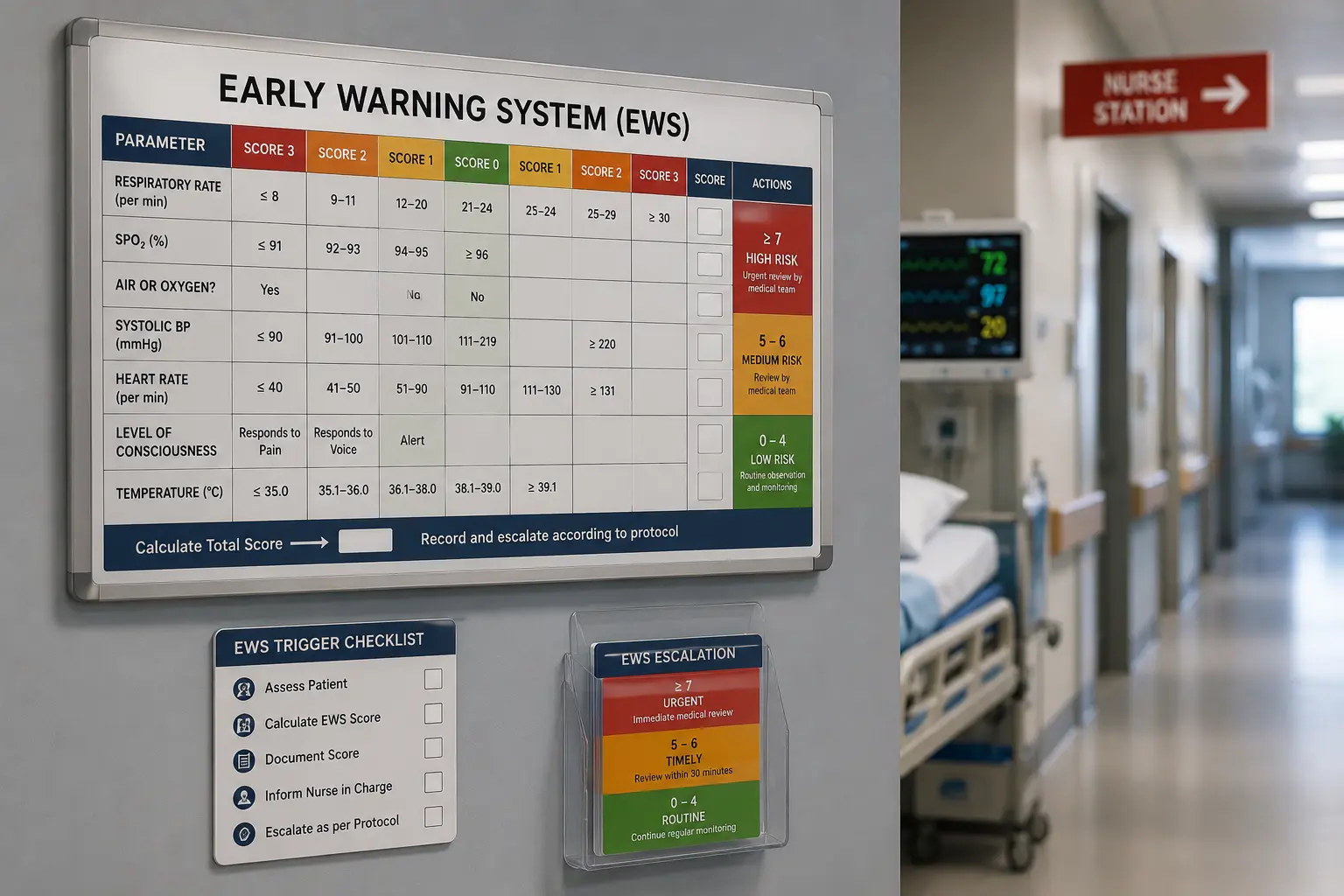
ALIVE-EWS
ALIVE Early Warning System is an AI-powered clinical surveillance platform that continuously monitors patient vital signs and laboratory parameters to identify early indicators of clinical deterioration before symptoms become apparent. Designed for acute, emergency, and critical care settings, the system enables timely intervention by predicting life-threatening events such as cardiac arrest, respiratory failure, sepsis, and other critical complications. By integrating with real-time bedside monitoring and remote patient monitoring systems, ALIVE-EWS delivers intelligent risk alerts that help clinicians intervene earlier, reduce Code Blue events, improve patient outcomes, and support proactive, data-driven clinical decision-making across both inpatient and remote care environments.
Faculty Members
Prof. Dominick Shaw (Leicester) & Dr. Sai Praveen (Apollo)
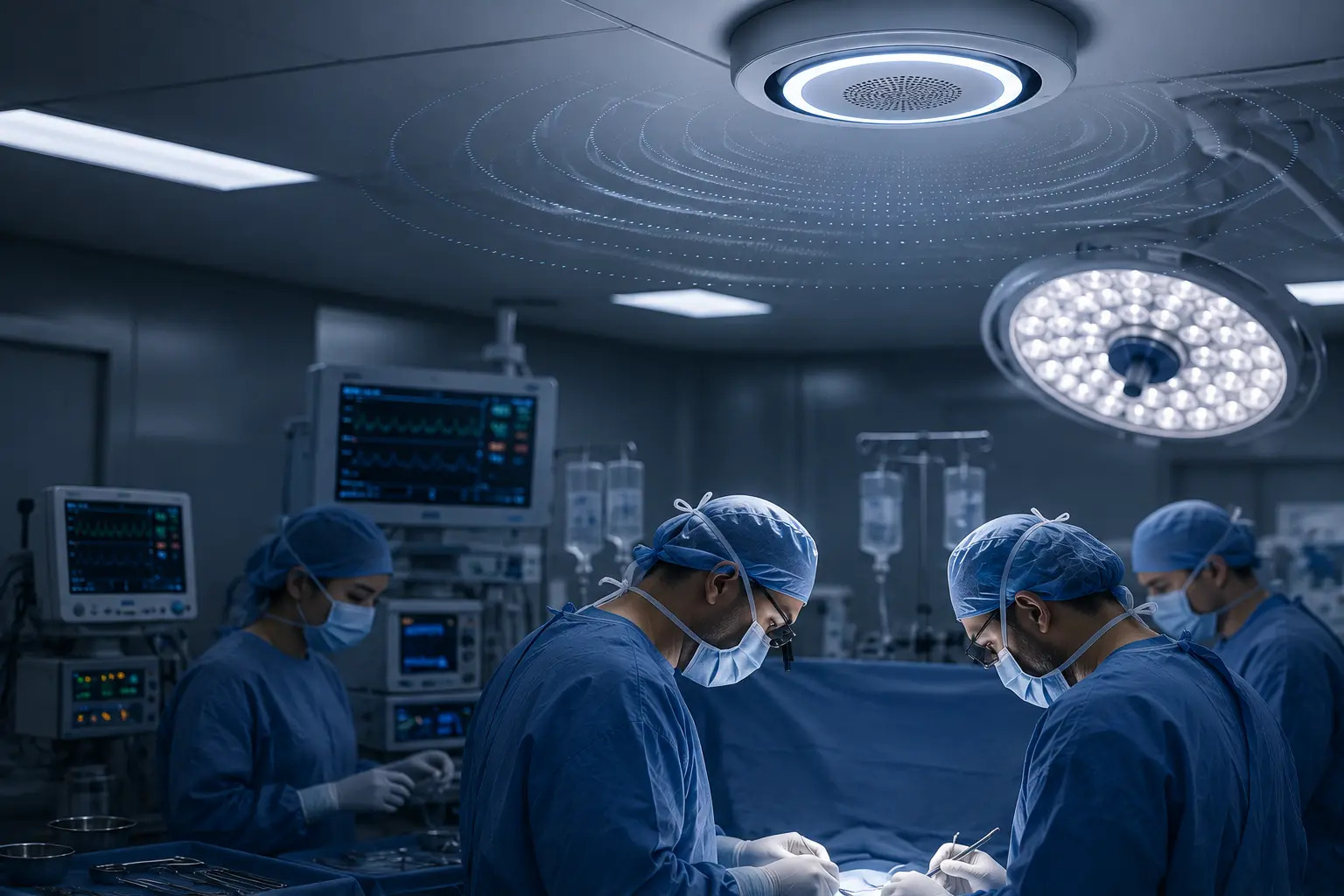
Ambient Listening in OR
This project develops an AI powered ambient listening platform for operating rooms using speech recognition and natural language processing to capture clinical conversations and identify important surgical milestones. The system monitors adherence to standard operating procedures, detects missed safety steps, and automatically generates structured operative notes, reducing administrative burden on healthcare professionals. Developed using Apollo Hospitals surgical data, the platform integrates seamlessly into clinical workflows to improve documentation quality, workflow efficiency, patient safety, and real time decision support. The project represents an important step toward intelligent AI assisted surgical environments.
Faculty Members
Dr. Gang (Leicester)
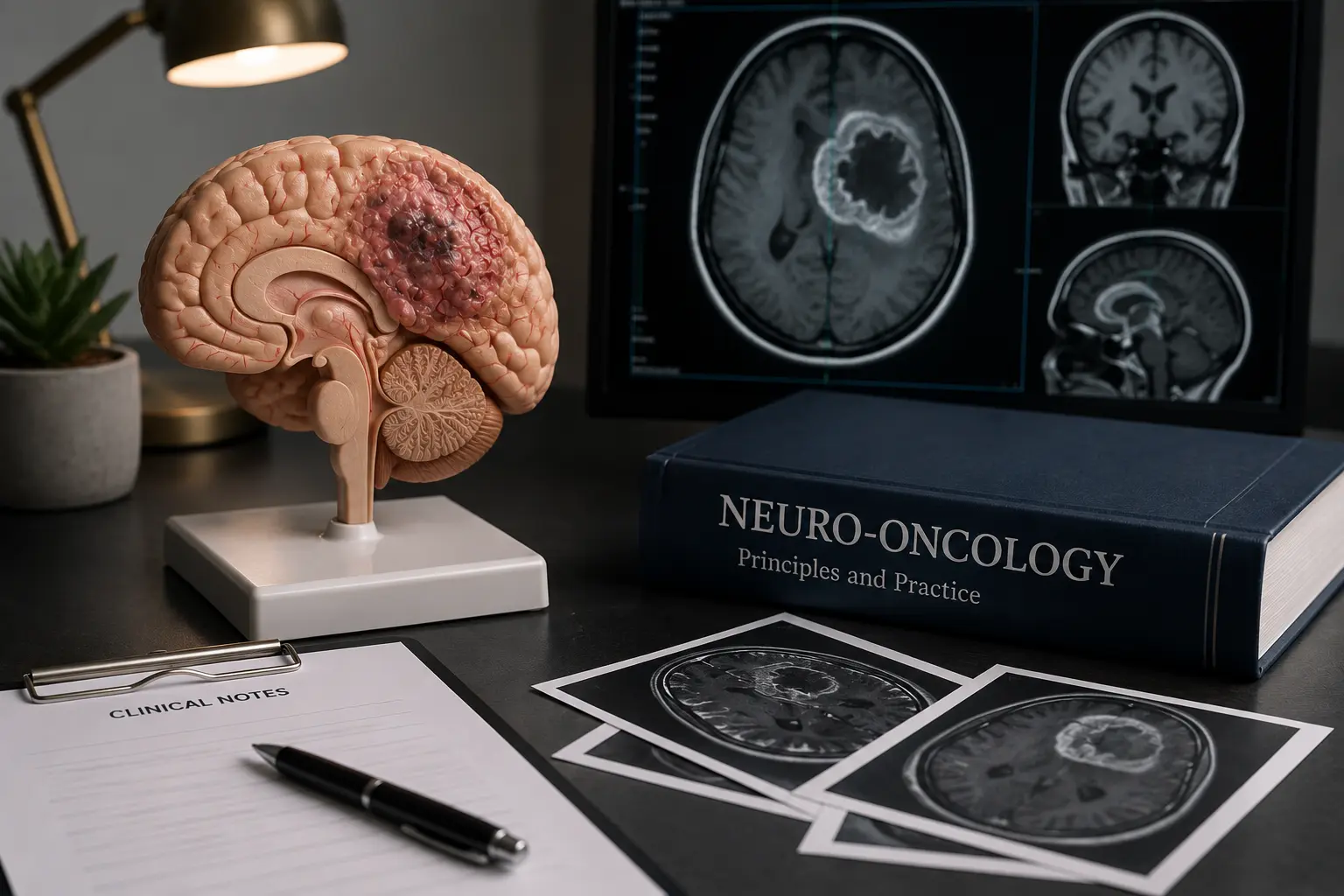
Glioblastoma
This project develops a multimodal AI platform for glioblastoma diagnosis, prognosis, and treatment planning by integrating digital histopathology, CT and MRI imaging, genomic sequencing, molecular biomarkers, and clinical information. The AI model will classify tumour subtype, estimate recurrence risk, predict treatment response, and support personalized radiotherapy, chemotherapy, and immunotherapy strategies. By combining multiple sources of patient information into a unified framework, the platform aims to improve clinical decision making, enable precision oncology, accelerate treatment planning, and enhance long term outcomes for patients affected by one of the most aggressive forms of brain cancer.
Faculty Members
Dr. Spyridon Bakas
Liver Fibrosis
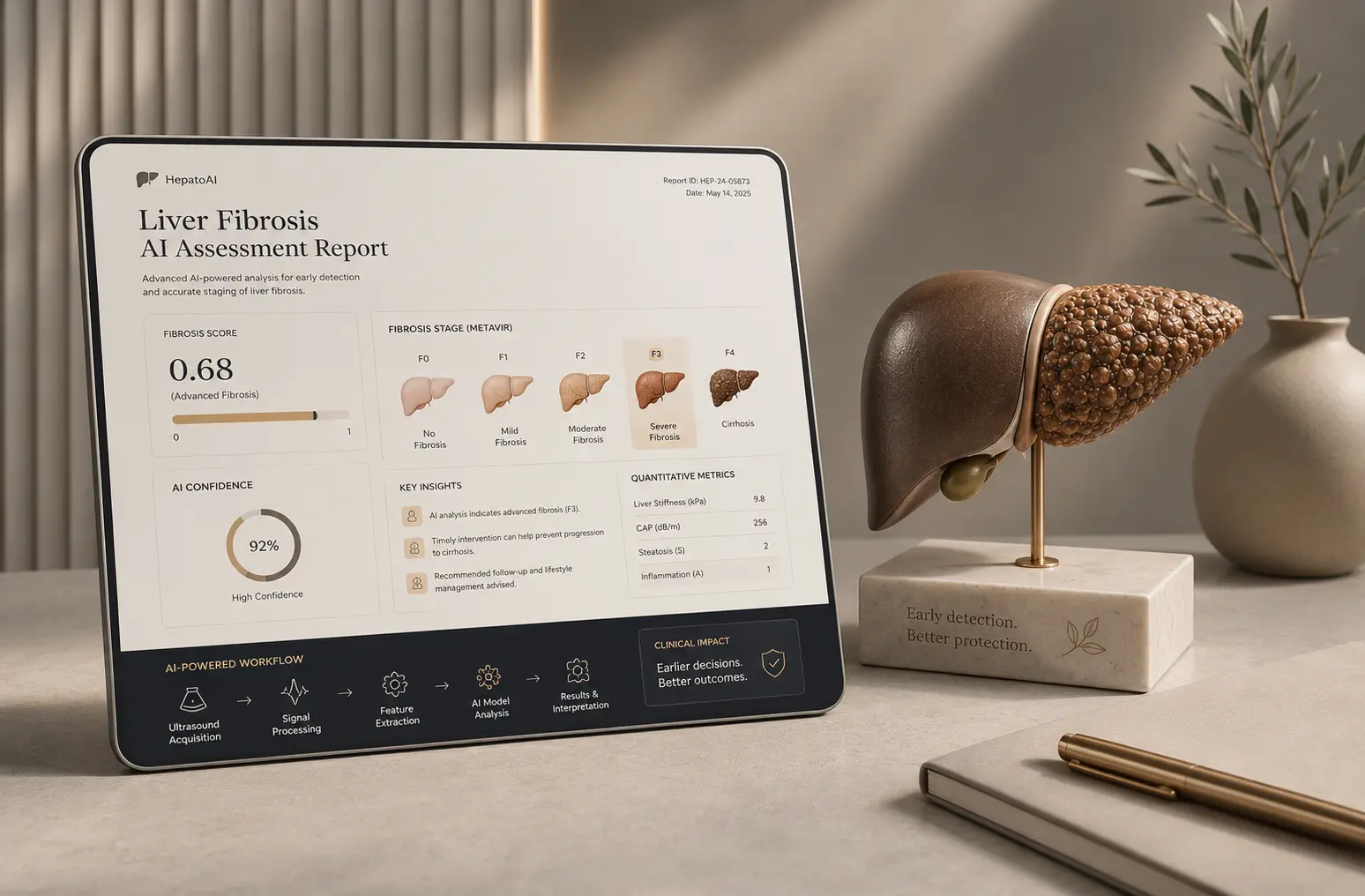
This project develops AI driven predictive models for the early detection and management of liver fibrosis using multimodal clinical data, imaging, laboratory findings, and non invasive biomarkers. The platform aims to identify patients at risk of disease progression before irreversible liver damage develops. By integrating diverse patient information into intelligent predictive models, the system supports personalized treatment planning, monitoring of disease progression, and timely clinical intervention. The project seeks to reduce progression to cirrhosis, improve patient outcomes, and enable precision hepatology through advanced artificial intelligence technologies.
Faculty Members
Dr. Sudarshan Dadari (Apollo)
Mammography-CVD
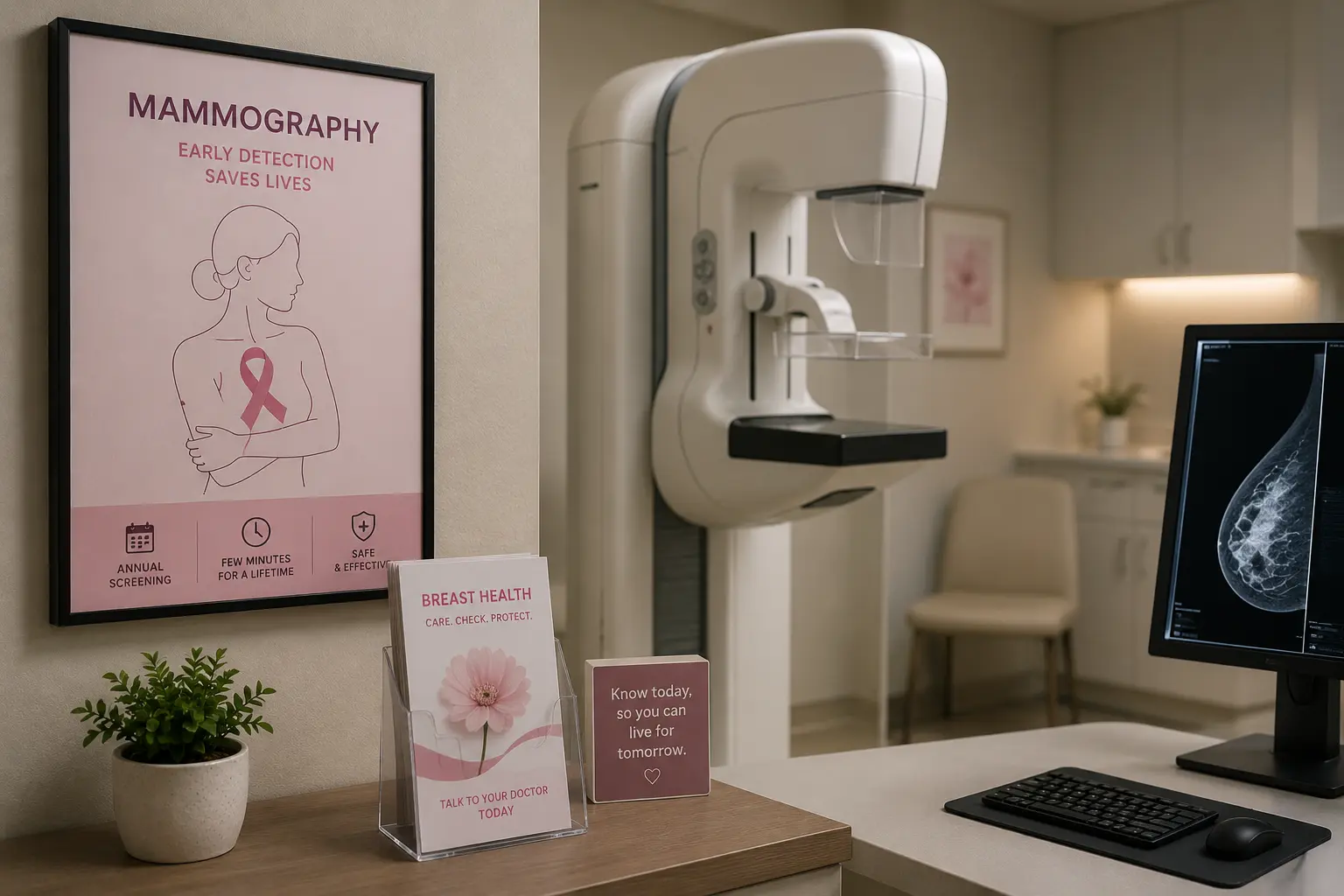
This project develops an AI powered platform that identifies early cardiovascular disease risk markers from routine mammography images. By analyzing breast arterial calcification, radiomic features, and other imaging biomarkers alongside clinical, demographic, and cardiovascular information, the system predicts an individual's risk of coronary artery disease and related cardiovascular conditions. Using Apollo Hospitals' large scale mammography database and longitudinal follow up cohorts, the AI models aim to improve early risk assessment without requiring additional imaging. The project transforms routine breast cancer screening into a dual purpose population health tool supporting preventive interventions, personalized cardiovascular care, and improved long term outcomes for women.
Faculty Members
Prof. David Adlam (Leicester)
Metabolic Diseases
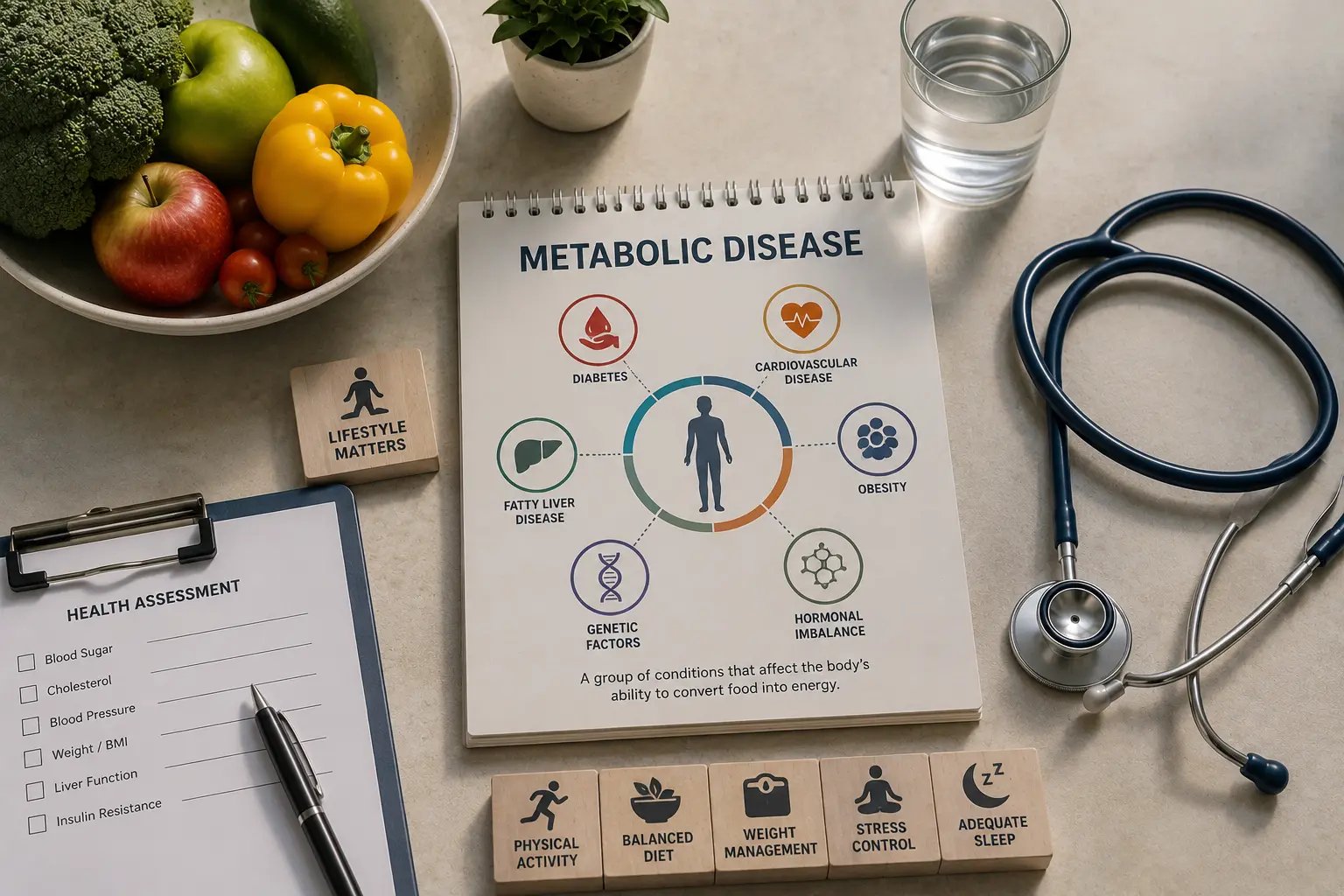
This project develops a multimodal AI platform for predicting and managing chronic metabolic diseases including type 2 diabetes, obesity, MASLD, cardiovascular disease, and chronic kidney disease. By integrating longitudinal clinical records, laboratory investigations, imaging, demographic information, and lifestyle factors, the AI system identifies high risk individuals, predicts disease progression, and supports personalized treatment strategies. Leveraging Apollo Hospitals datasets and collaboration with the University of Leicester, the project advances precision medicine through earlier diagnosis, targeted preventive interventions, optimized therapeutic decisions, and improved long term management across diverse patient populations.
Faculty Members
Prof. Kamalesh Khunti (Leicester)
Mesothelioma (Oncology)
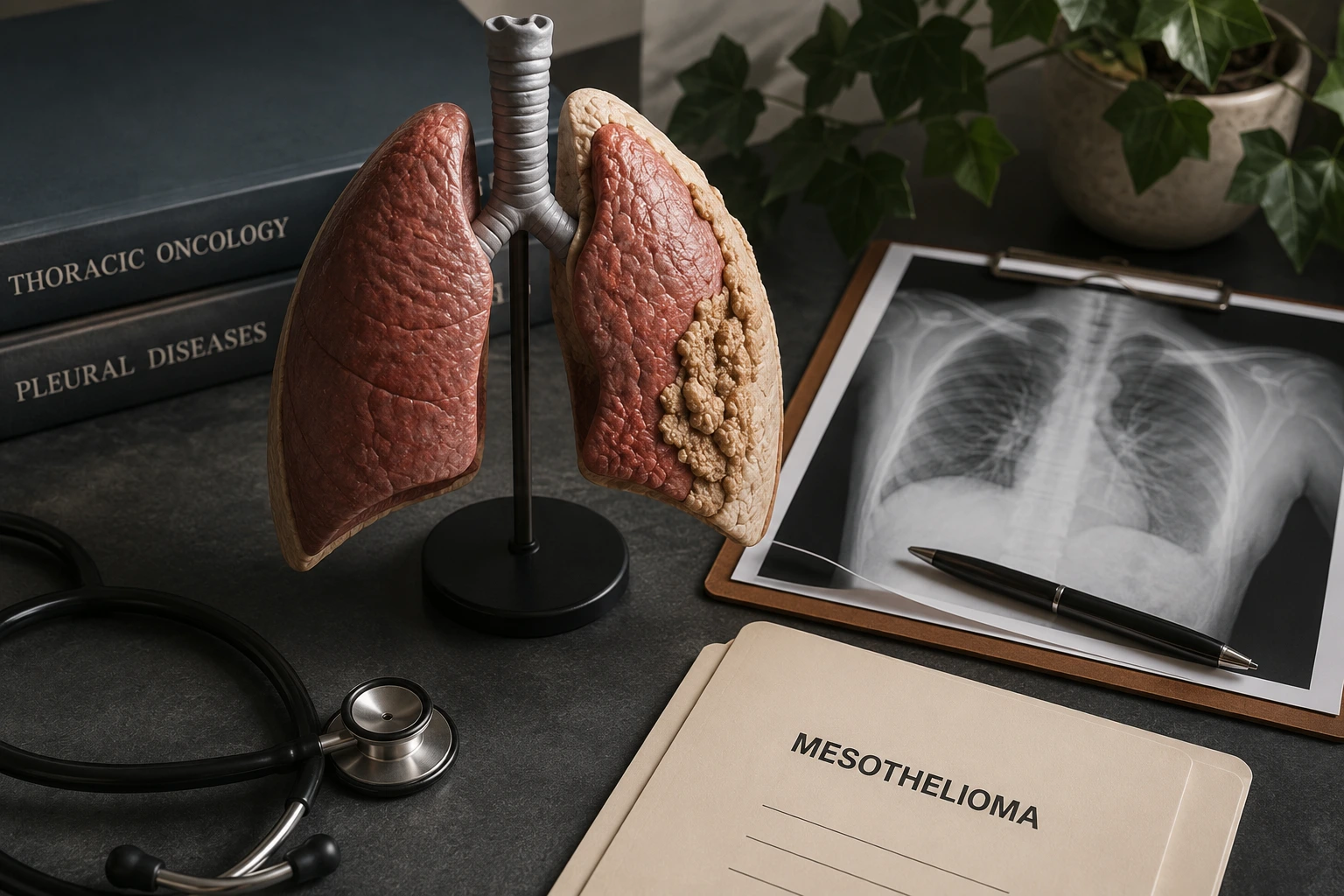
This project develops an AI pathology foundation model to predict response to immune checkpoint inhibitor therapy in patients with mesothelioma. The model analyzes routine H&E whole-slide histopathology images together with pathology reports and multimodal biomarkers, including tumour microenvironment, genomic, and transcriptomic information where available. Fine tuned using Apollo Hospitals and UK datasets, the system identifies patients most likely to benefit from immunotherapy before treatment begins. The project supports precision oncology by improving treatment selection, reducing unnecessary therapies, enabling personalized clinical decisions, and ultimately improving survival and quality of care for patients with mesothelioma.
Faculty Members
Prof. Dean Fennell (Leicester) & Prof. Rakesh Jalali (Apollo)

Orthopedics
Fractures are among the most common musculoskeletal conditions requiring emergency care and accurate diagnosis is essential for timely treatment. This project develops artificial intelligence and computer vision models to automatically detect fractures, classify fracture severity, and assist clinicians using routine digital radiographs. By integrating imaging data with relevant clinical information, the AI platform aims to improve diagnostic accuracy, reduce interpretation time, and support emergency triage. Developed using large-scale clinical datasets, the system will provide reliable decision support for orthopedic specialists and emergency physicians, enabling faster interventions, optimized treatment planning, improved workflow efficiency, and better patient outcomes.
Faculty Members
Prof. Jitendra Mangwani (Leicester) & Prof. Raju Vaishya (Apollo)
Polygenic Risk Score
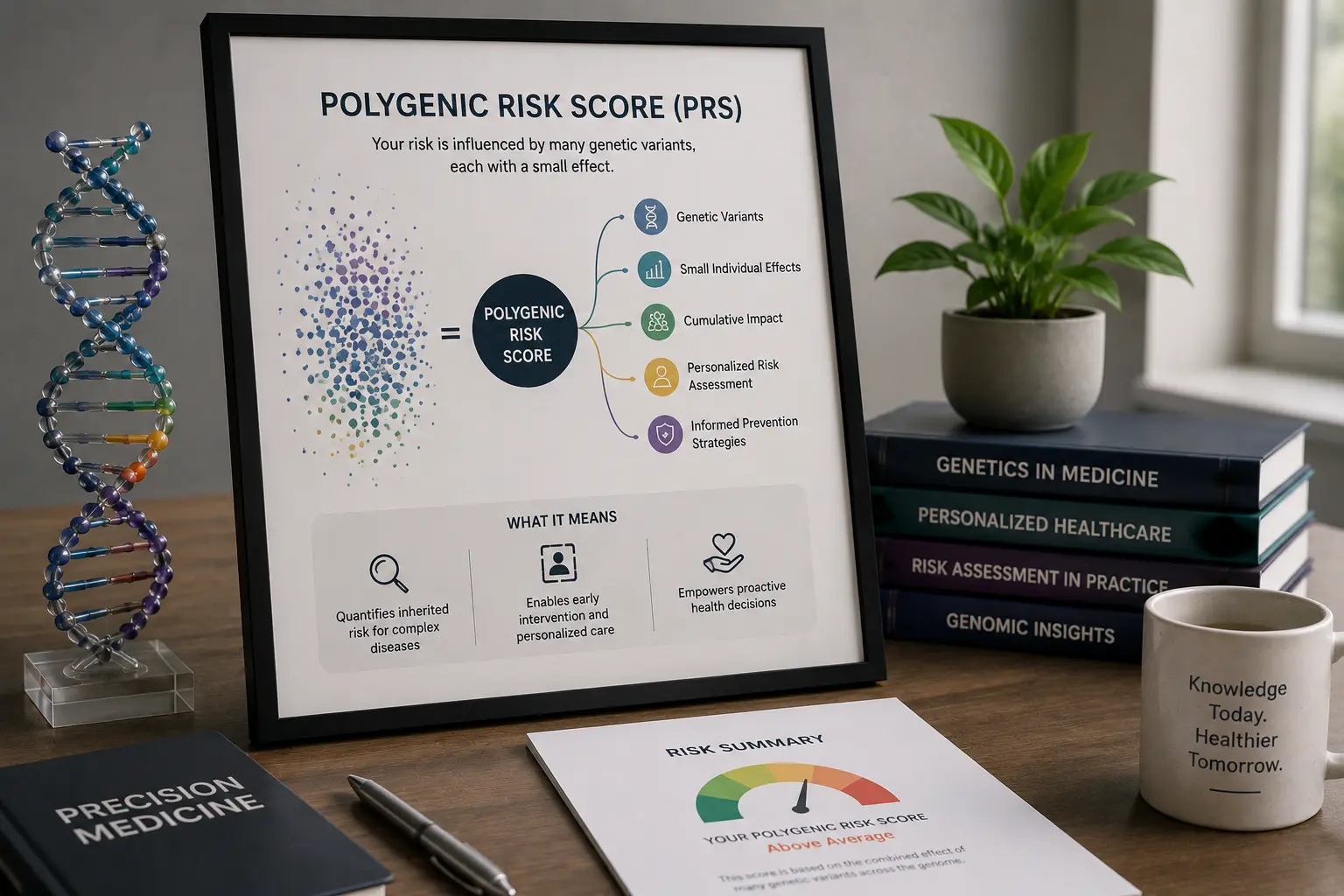
This project develops AI powered Polygenic Risk Score models tailored for the Indian population by integrating genomic, clinical, lifestyle and demographic information. Unlike traditional genetic testing, PRS combines thousands of genetic variants to estimate an individual's risk of developing complex diseases such as cardiovascular disease, diabetes, cancer, and other chronic disorders. The platform supports early disease prediction, personalized screening, preventive interventions, and lifestyle recommendations. Developed using large scale Indian genomic datasets, the project aims to advance precision medicine by providing clinically actionable risk assessments that improve preventive healthcare and long term patient outcomes.
Faculty Members
Prof. Nilesh Samani (Leicester) & Dr. Shree Vidya (Apollo)

Uterine Cancer (Oncology)
This project develops a multimodal AI platform for the diagnosis, classification, and staging of uterine diseases by integrating histopathology, ultrasound, MRI, genomic biomarkers, and clinical data. Using datasets from Apollo Hospitals and the University of Leicester, the AI model aims to distinguish benign uterine fibroids from malignant uterine cancers, assess disease severity, and support evidence-based treatment planning. By combining multiple clinical data sources into a unified decision-support system, the project seeks to improve diagnostic accuracy, enable earlier intervention, reduce diagnostic uncertainty, and enhance personalized care for women with uterine diseases while supporting better clinical outcomes.
Faculty Members
Prof. Esther Moss (Leicester) & Prof. Roma Sinha (Apollo)
ADPKD
ADPKD Predictive Intelligence Platform is an AI-powered clinical decision support system that integrates longitudinal patient data with multimodal medical imaging including Ultrasound, CT and MRI (where applicable) to enable the early detection, diagnosis, prognosis, and personalized management of Autosomal Dominant Polycystic Kidney Disease (ADPKD). By combining clinical parameters with advanced image analytics, the platform evaluates kidney morphology, cyst burden, disease progression, and associated renal abnormalities to predict future kidney function and long-term health outcomes. The system provides individualized risk stratification, prognostic insights, and evidence-based treatment recommendations, supporting earlier clinical intervention, personalized care planning, and improved quality of life for patients while enhancing decision-making across the continuum of kidney disease management.
Faculty Members
Dr. Sanjay Maitra (Apollo)
ALIVE-EWS
ALIVE Early Warning System is an AI-powered clinical surveillance platform that continuously monitors patient vital signs and laboratory parameters to identify early indicators of clinical deterioration before symptoms become apparent. Designed for acute, emergency, and critical care settings, the system enables timely intervention by predicting life-threatening events such as cardiac arrest, respiratory failure, sepsis, and other critical complications. By integrating with real-time bedside monitoring and remote patient monitoring systems, ALIVE-EWS delivers intelligent risk alerts that help clinicians intervene earlier, reduce Code Blue events, improve patient outcomes, and support proactive, data-driven clinical decision-making across both inpatient and remote care environments.
Faculty Members
Prof. Dominick Shaw (Leicester) & Dr. Sai Praveen (Apollo)
Ambient Listening in OR
This project develops an AI powered ambient listening platform for operating rooms using speech recognition and natural language processing to capture clinical conversations and identify important surgical milestones. The system monitors adherence to standard operating procedures, detects missed safety steps, and automatically generates structured operative notes, reducing administrative burden on healthcare professionals. Developed using Apollo Hospitals surgical data, the platform integrates seamlessly into clinical workflows to improve documentation quality, workflow efficiency, patient safety, and real time decision support. The project represents an important step toward intelligent AI assisted surgical environments.
Faculty Members
Dr. Gang (Leicester)
Glioblastoma
This project develops a multimodal AI platform for glioblastoma diagnosis, prognosis, and treatment planning by integrating digital histopathology, CT and MRI imaging, genomic sequencing, molecular biomarkers, and clinical information. The AI model will classify tumour subtype, estimate recurrence risk, predict treatment response, and support personalized radiotherapy, chemotherapy, and immunotherapy strategies. By combining multiple sources of patient information into a unified framework, the platform aims to improve clinical decision making, enable precision oncology, accelerate treatment planning, and enhance long term outcomes for patients affected by one of the most aggressive forms of brain cancer.
Faculty Members
Dr. Spyridon Bakas
Liver Fibrosis
This project develops AI driven predictive models for the early detection and management of liver fibrosis using multimodal clinical data, imaging, laboratory findings, and non invasive biomarkers. The platform aims to identify patients at risk of disease progression before irreversible liver damage develops. By integrating diverse patient information into intelligent predictive models, the system supports personalized treatment planning, monitoring of disease progression, and timely clinical intervention. The project seeks to reduce progression to cirrhosis, improve patient outcomes, and enable precision hepatology through advanced artificial intelligence technologies.
Faculty Members
Dr. Sudarshan Dadari (Apollo)
Mammography-CVD
This project develops an AI powered platform that identifies early cardiovascular disease risk markers from routine mammography images. By analyzing breast arterial calcification, radiomic features, and other imaging biomarkers alongside clinical, demographic, and cardiovascular information, the system predicts an individual's risk of coronary artery disease and related cardiovascular conditions. Using Apollo Hospitals' large scale mammography database and longitudinal follow up cohorts, the AI models aim to improve early risk assessment without requiring additional imaging. The project transforms routine breast cancer screening into a dual purpose population health tool supporting preventive interventions, personalized cardiovascular care, and improved long term outcomes for women.
Faculty Members
Prof. David Adlam (Leicester)
Metabolic Diseases
This project develops a multimodal AI platform for predicting and managing chronic metabolic diseases including type 2 diabetes, obesity, MASLD, cardiovascular disease, and chronic kidney disease. By integrating longitudinal clinical records, laboratory investigations, imaging, demographic information, and lifestyle factors, the AI system identifies high risk individuals, predicts disease progression, and supports personalized treatment strategies. Leveraging Apollo Hospitals datasets and collaboration with the University of Leicester, the project advances precision medicine through earlier diagnosis, targeted preventive interventions, optimized therapeutic decisions, and improved long term management across diverse patient populations.
Faculty Members
Prof. Kamalesh Khunti (Leicester)
Mesothelioma (Oncology)
This project develops an AI pathology foundation model to predict response to immune checkpoint inhibitor therapy in patients with mesothelioma. The model analyzes routine H&E whole-slide histopathology images together with pathology reports and multimodal biomarkers, including tumour microenvironment, genomic, and transcriptomic information where available. Fine tuned using Apollo Hospitals and UK datasets, the system identifies patients most likely to benefit from immunotherapy before treatment begins. The project supports precision oncology by improving treatment selection, reducing unnecessary therapies, enabling personalized clinical decisions, and ultimately improving survival and quality of care for patients with mesothelioma.
Faculty Members
Prof. Dean Fennell (Leicester) & Prof. Rakesh Jalali (Apollo)
Orthopedics
Fractures are among the most common musculoskeletal conditions requiring emergency care and accurate diagnosis is essential for timely treatment. This project develops artificial intelligence and computer vision models to automatically detect fractures, classify fracture severity, and assist clinicians using routine digital radiographs. By integrating imaging data with relevant clinical information, the AI platform aims to improve diagnostic accuracy, reduce interpretation time, and support emergency triage. Developed using large-scale clinical datasets, the system will provide reliable decision support for orthopedic specialists and emergency physicians, enabling faster interventions, optimized treatment planning, improved workflow efficiency, and better patient outcomes.
Faculty Members
Prof. Jitendra Mangwani (Leicester) & Prof. Raju Vaishya (Apollo)
Polygenic Risk Score
This project develops AI powered Polygenic Risk Score models tailored for the Indian population by integrating genomic, clinical, lifestyle and demographic information. Unlike traditional genetic testing, PRS combines thousands of genetic variants to estimate an individual's risk of developing complex diseases such as cardiovascular disease, diabetes, cancer, and other chronic disorders. The platform supports early disease prediction, personalized screening, preventive interventions, and lifestyle recommendations. Developed using large scale Indian genomic datasets, the project aims to advance precision medicine by providing clinically actionable risk assessments that improve preventive healthcare and long term patient outcomes.
Faculty Members
Prof. Nilesh Samani (Leicester) & Dr. Shree Vidya (Apollo)
Uterine Cancer (Oncology)
This project develops a multimodal AI platform for the diagnosis, classification, and staging of uterine diseases by integrating histopathology, ultrasound, MRI, genomic biomarkers, and clinical data. Using datasets from Apollo Hospitals and the University of Leicester, the AI model aims to distinguish benign uterine fibroids from malignant uterine cancers, assess disease severity, and support evidence-based treatment planning. By combining multiple clinical data sources into a unified decision-support system, the project seeks to improve diagnostic accuracy, enable earlier intervention, reduce diagnostic uncertainty, and enhance personalized care for women with uterine diseases while supporting better clinical outcomes.
Faculty Members
Prof. Esther Moss (Leicester) & Prof. Roma Sinha (Apollo)
Concept Proposal
We are interested in working with you, If you would like to submit a proposal for consideration, please use the form below.